 Save
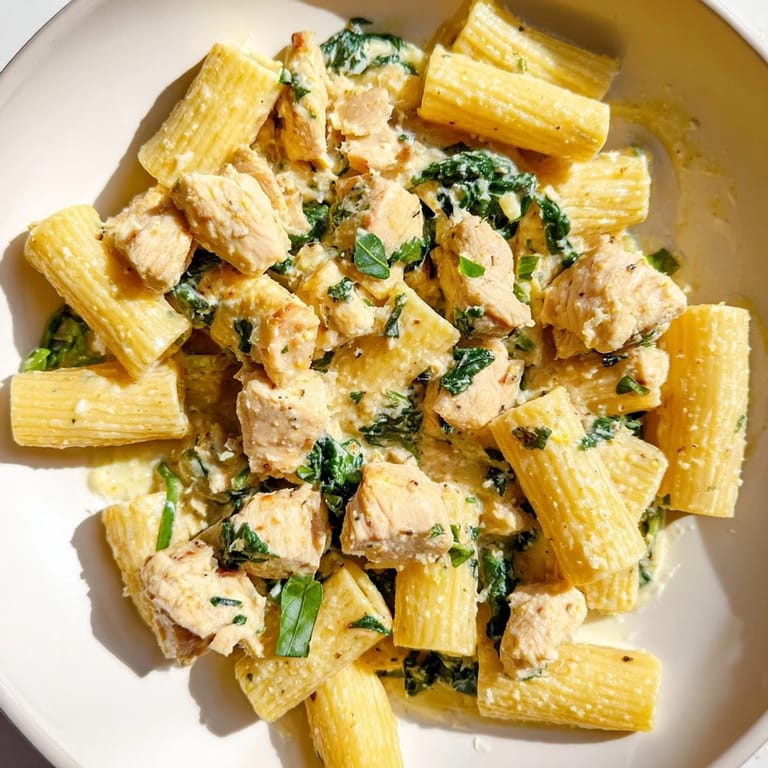
Save I'd been scrolling through TikTok at midnight when the Marry Me Chicken trend popped up—those glossy, cream-soaked pastas that supposedly inspired proposals. But the recipe called for ingredients I didn't have, so I raided my pantry instead: a can of diced tomatoes, some chicken breasts, and heavy cream I'd bought for coffee. What emerged from that skillet was somehow better than the original—less pretentious, more honest, and absolutely worth making on a Tuesday when you need something that feels fancy but takes less time than ordering takeout.
My roommate came home one evening to the smell of garlic and cream filling the entire apartment, and she actually sat down at the table without being asked. That's when I knew this recipe had something special—not because it was complicated, but because it proved that good food doesn't require hours in the kitchen or an ingredient list longer than your arm.
Ingredients
- Boneless, skinless chicken breasts (2 large): Cut them into bite-sized pieces so they cook evenly and soak up all that creamy sauce—none of those tough, overcooked edges.
- Penne or rigatoni pasta (350 g): The tubes catch the sauce beautifully; don't skip the pasta water because it's your secret weapon for adjusting the sauce consistency.
- Olive oil (2 tablespoons): Use good oil here because you taste it directly in the first few seconds of cooking.
- Garlic (3 cloves, minced): Mince it fine so it dissolves into the sauce rather than leaving sharp chunks.
- Dried Italian herbs (1 teaspoon): This is your flavor backbone when fresh herbs aren't in the budget; don't skimp or use old jars.
- Red pepper flakes (1/2 teaspoon, optional): It adds a whisper of heat that makes people wonder what the secret ingredient is.
- Canned diced tomatoes (1 can, 400 g, drained): Draining them is crucial—you don't want watery sauce, just the tomato flesh and its essence.
- Chicken broth (120 ml): This keeps the sauce silky without making it taste thin or one-dimensional.
- Heavy cream (120 ml): This is what transforms everything into something that feels indulgent even though you're using budget ingredients.
- Grated Parmesan cheese (40 g): Freshly grated tastes so much better than the pre-shredded stuff; it melts into the sauce instead of clumping.
- Salt and black pepper: Taste as you go—the sauce intensifies as it reduces, so season gently at first.
- Fresh spinach (50 g, optional): It wilts down in seconds and adds color and nutrition without any real effort.
- Fresh basil for garnish: Tear it by hand instead of chopping to release the oils, and add it right before serving so it stays vibrant.
Tired of Takeout? 🥡
Get 10 meals you can make faster than delivery arrives. Seriously.
One email. No spam. Unsubscribe anytime.
Instructions
- Start the pasta water:
- Get a large pot of salted water boiling—the water should taste like the sea. This is your foundation, and it takes longer than everything else, so start here while you prep.
- Cook the pasta:
- Add pasta and cook until just al dente according to the package instructions. Drain it but save about half a cup of that starchy water; it's liquid gold for adjusting your sauce later.
- Sear the chicken:
- Heat olive oil in a large skillet over medium-high heat. When it shimmers, add your chicken pieces and season with salt and pepper—don't move them around immediately; let them develop a golden crust for about 3 minutes on the first side, then flip and finish cooking through, about 5–6 minutes total. The chicken should be cooked but still tender.
- Build the flavor base:
- Remove the chicken to a plate and reduce the heat to medium. In the same skillet with all those browned bits clinging to the bottom (that's flavor), add your minced garlic, Italian herbs, and red pepper flakes. Sauté for about a minute until it smells absolutely incredible—that's your signal to move forward before the garlic burns.
- Create the sauce foundation:
- Pour in your drained diced tomatoes and chicken broth, stirring to combine. Let this simmer for 3–4 minutes so the flavors meld and the tomatoes break down slightly. You'll notice the sauce starting to deepen in color.
- Add the cream:
- Turn the heat down to low and pour in the heavy cream slowly, stirring constantly. Sprinkle in the Parmesan and keep stirring until it melts completely into a silky sauce—this should take about 2–3 minutes. Don't let it boil aggressively or the cream might separate.
- Bring it all together:
- Return the cooked chicken (and any juices from the plate) to the skillet, then stir in the fresh spinach if you're using it. It'll wilt down in about a minute. Now add your cooked pasta and toss everything together, letting it all get acquainted for a minute or so.
- Adjust the consistency:
- If the sauce feels too thick, splash in reserved pasta water a little at a time and stir—it'll loosen up beautifully and coat everything evenly. Taste for seasoning and adjust salt and pepper as needed.
- Plate and finish:
- Serve hot, torn fresh basil scattered over the top. The warmth will release the basil's aroma right at the table.
 Save
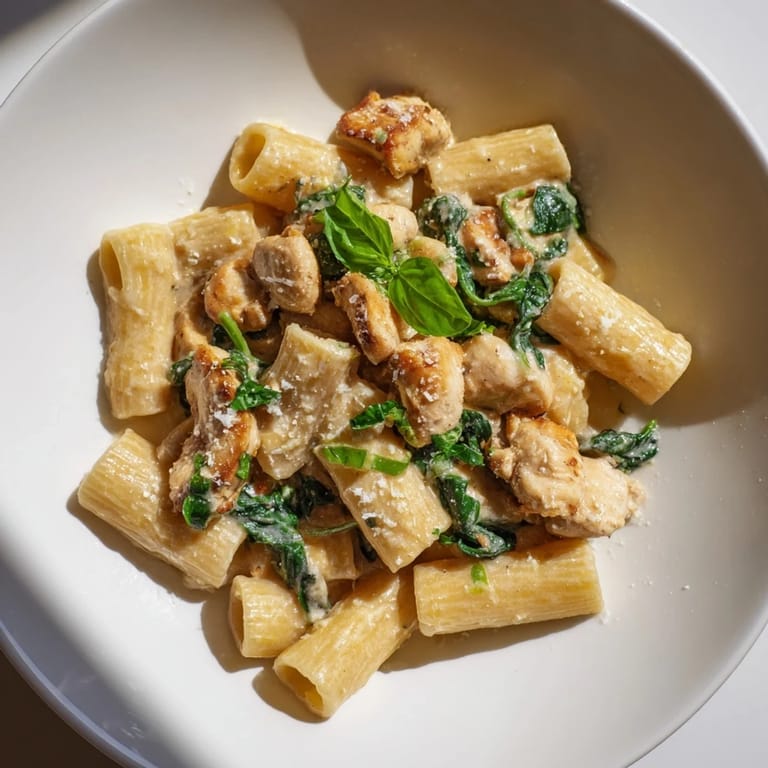
Save There's a moment when pasta dishes come together where everything suddenly makes sense—when the sauce coats the noodles perfectly and steam rises from the bowl and you just know it's going to be good. That's when I stopped thinking about budgets and viral TikToks and just enjoyed what was in front of me.
Why This Works on a Budget
Canned tomatoes are genuinely better than fresh tomatoes most of the time, and they cost a fraction of what you'd pay for fresh ones out of season. Heavy cream is expensive, but 120 ml goes a long way when you're building flavor through cooking technique rather than throwing more ingredients at a problem. Chicken breasts are affordable, reliable, and done cooking in minutes if you cut them into manageable pieces. This dish proves that affordable doesn't have to mean compromising on how it feels to eat it.
Ways to Customize It
The beautiful thing about this recipe is how forgiving it is with substitutions. Use chicken thighs instead of breasts for juicier meat that holds up better to longer cooking, or throw in rotisserie chicken if you want to cut down the active cooking time even more. Swap the spinach for arugula for a peppery edge, or add sun-dried tomatoes for a deeper, richer flavor that makes people think you spent all day on this. Some nights I've used half-and-half instead of heavy cream to lighten it up, and it's still excellent—just slightly less decadent.
Serving Suggestions and Pairing
This pasta wants a crisp white wine—Pinot Grigio or Sauvignon Blanc cut through the cream beautifully and cleanse your palate between bites. A simple green salad with lemon vinaigrette on the side keeps things balanced without adding much work to your evening. Garlic bread is obvious but also never wrong, and honestly, I sometimes just eat this straight from the skillet standing over the stove on nights when I'm too hungry to wait for plates.
- Pour a glass of wine while you cook—it makes the whole process feel less like a chore.
- Tear the basil by hand right before serving instead of chopping it.
- Save any leftover pasta sauce separately and use it for pizza, eggs, or soup the next day.
 Save
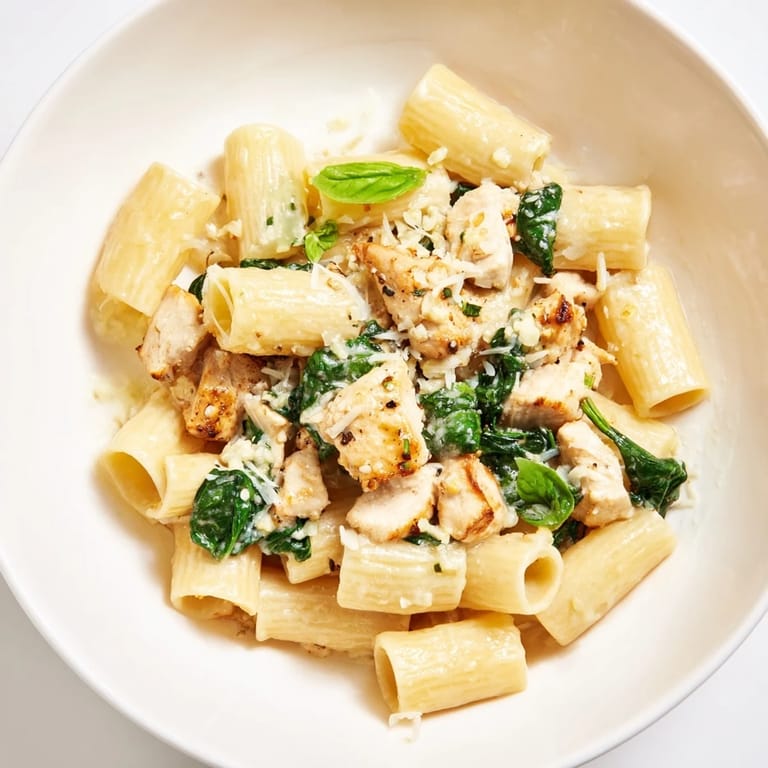
Save This is the kind of recipe that reminds you why cooking for yourself matters—not because it's complicated, but because it's genuinely delicious and costs less than delivery. Make it when you need to feel like you've got your life together on a weeknight.
Recipe FAQ
- → What pasta types work best?
Penne or rigatoni are ideal as theirTube shapes hold the creamy sauce well, ensuring each bite is flavorful.
- → Can I use other chicken cuts?
Yes, chicken thighs can be substituted for juicier results, or rotisserie chicken for convenience.
- → Is spinach necessary in the dish?
Spinach is optional but adds a fresh, vibrant element that complements the creamy sauce gracefully.
- → How to adjust the sauce consistency?
Reserved pasta water can be added gradually to thin the sauce to your preferred texture without diluting flavor.
- → Can the red pepper flakes be omitted?
Absolutely, red pepper flakes are optional and can be skipped if a milder flavor is preferred.