 Save
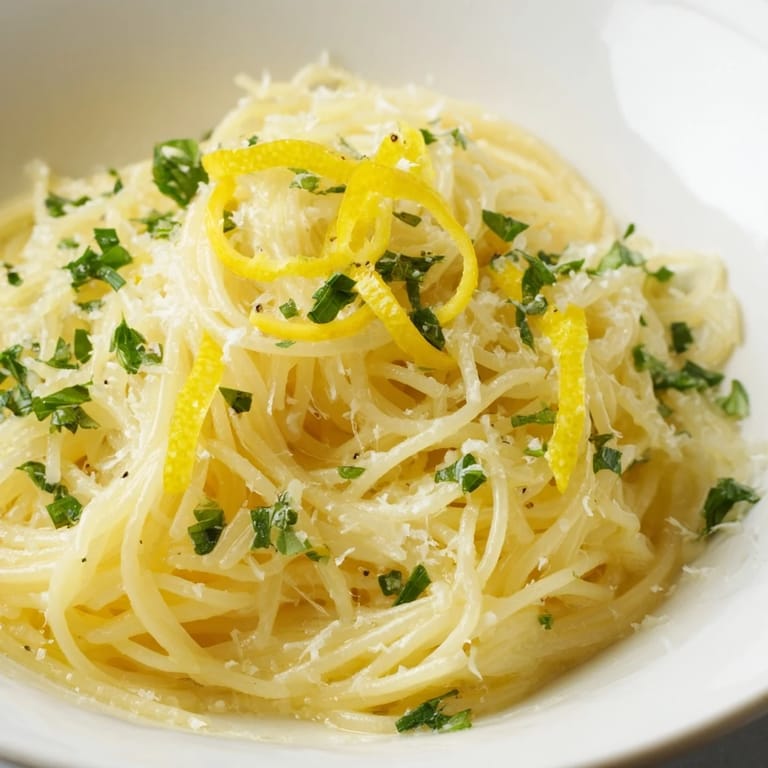
Save There's something almost meditative about the way lemon butter clings to capellini—those impossibly thin strands catching the sauce like they were made for each other. I discovered this dish on an unremarkable Tuesday when I had exactly three ingredients in my fridge and twenty minutes before dinner guests arrived. The kitchen filled with the sharp, buttery aroma of zest hitting hot butter, and suddenly what could have been a panic became something I'd make again and again. It's become my go-to when I want something that tastes restaurant-quality but feels entirely effortless.
I made this for my sister the night she got promoted, and she ate two plates while telling me about the meeting, barely pausing between bites. When someone's that honest about loving your food, you know you've landed on something special. She still texts me asking for it, and somehow it always tastes better when I know it's going straight to her.
Ingredients
- Capellini: These delicate strands are thinner than spaghetti, which means they cook in minutes and hug the sauce perfectly—don't skip the al dente part or they'll turn mushy.
- Unsalted butter: It's the foundation here, so use good butter you'd actually want to eat on toast.
- Fresh lemon zest and juice: Get it from actual lemons, not that bottled stuff—the difference between electric brightness and muted sadness is real.
- Reserved pasta water: This starchy liquid is magic; it transforms butter and lemon into something silky instead of greasy.
- Parmesan cheese: Freshly grated only—microplane it fine so it melts into the warm pasta like it belongs there.
- Fresh herbs (parsley, basil, chives): These add the soul; add them at the end so they stay vibrant and don't cook down to nothing.
Tired of Takeout? 🥡
Get 10 meals you can make faster than delivery arrives. Seriously.
One email. No spam. Unsubscribe anytime.
Instructions
- Set up and start the pasta:
- Get your pot boiling with properly salted water—it should taste like the sea. This is your only chance to season the pasta itself.
- Begin the butter and lemon:
- While the pasta cooks, melt butter low and slow, then add lemon zest for just 30 seconds; you'll see it become fragrant almost immediately.
- Build the sauce base:
- Add lemon juice and pasta water, let them mingle for a moment, then you've got your silky emulsion waiting for pasta.
- Combine pasta and sauce:
- Drain the capellini and slide it into the skillet—the heat will bring everything together, coating every thread in that golden bath.
- Finish with cheese and seasoning:
- Toss in Parmesan and black pepper, feeling the cheese melt into the warm pasta; add more pasta water if it needs loosening up.
- Herb moment:
- Off heat, scatter in the fresh herbs and fold them through gently so they stay as vibrant as the moment you chopped them.
 Save
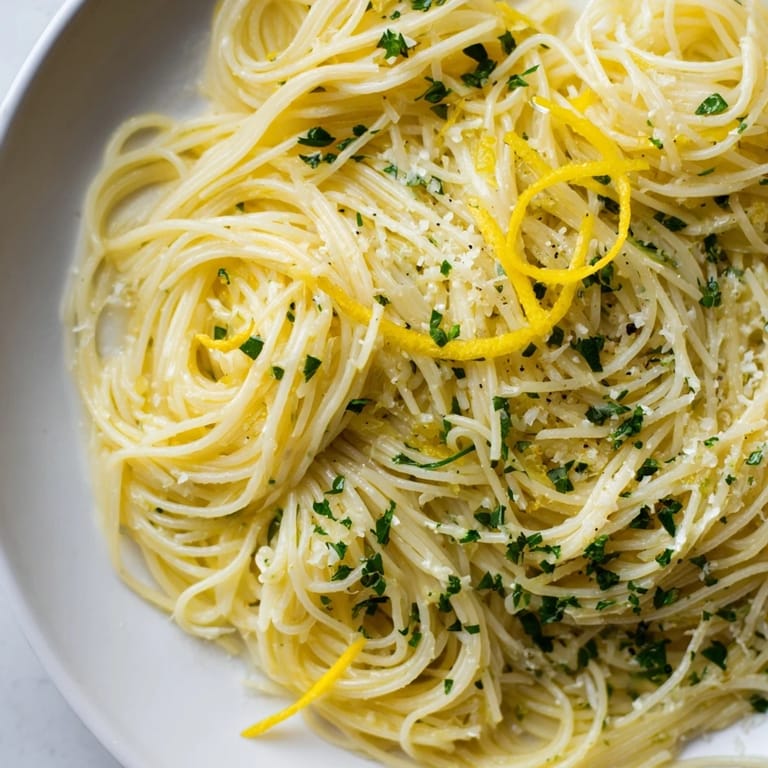
Save The first time my roommate came home to the smell of this cooking, she stopped in her tracks and asked if I'd lost my mind making something so fancy on a Wednesday. We ate it standing at the counter, and she declared it her new comfort food. There's something about pasta that's just lemon and butter and herbs that makes people pause and actually taste it.
Why This Works as Your Go-To Weeknight Dinner
This dish sits in that sweet spot where it's too simple to stress you out but too refined to feel like leftovers or convenience food. The entire flavor profile rests on lemon and butter—two ingredients that need no complicated technique, just respect and good timing. You're not fighting with long ingredient lists or finicky techniques; you're just highlighting what's already delicious about these humble things when they're combined.
The Art of Building a Butter Sauce
What makes this sauce sing is understanding that butter, acid, and starch create emulsion—a silky blend that's greater than its parts. The pasta water isn't a hack or a shortcut; it's the element that turns melted butter and lemon juice into something that coats pasta instead of sliding off it. The moment you add that starch-y water and start stirring, you'll see the sauce transform from separated and greasy-looking to cohesive and glossy. It's kitchen magic that works every single time once you understand what's happening.
Fresh Herbs as Finish, Not Flavor
The herbs here are a flourish, not the main event—they add brightness and visual life in the final moment. Think of them like the last brushstroke on a painting: they complete the picture and remind you that fresh food is alive. If you have access to good basil and parsley from a garden or market, it matters; if you're working with grocery store herbs, they'll still be wonderful.
- Chop herbs just before serving so they don't oxidize and turn sad-looking.
- Chives add a whisper of onion that won't overpower the lemon.
- A final scatter of lemon zest on top is optional but worth it for visual pop.
 Save
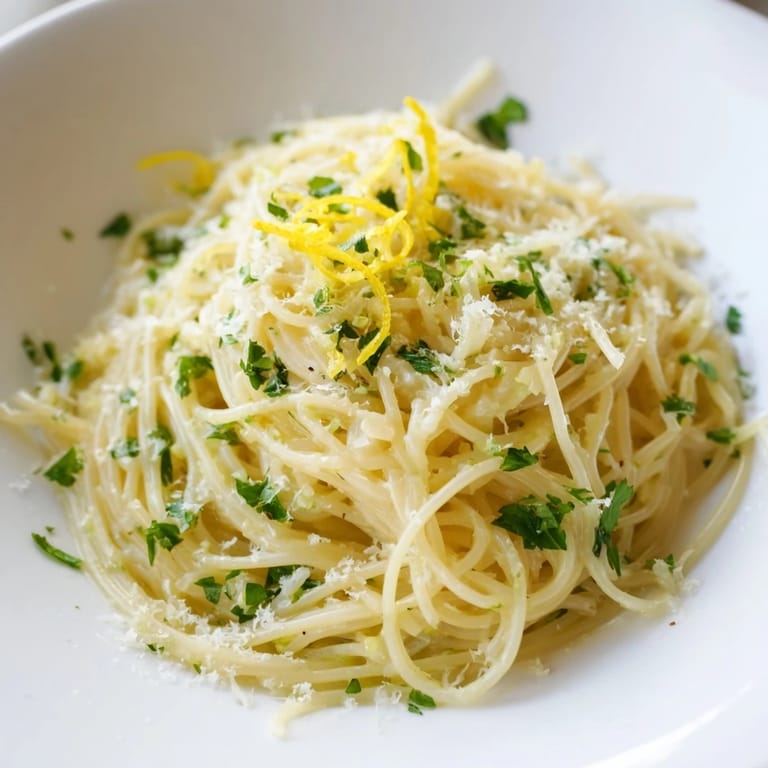
Save This is the kind of dish that reminds you why simple food, made with attention and good ingredients, doesn't need apology or justification. Make it for yourself on a quiet night, or share it with someone who'll appreciate the care baked into its simplicity.
Recipe FAQ
- → What type of pasta is best for this dish?
Capellini, also known as angel hair, is ideal as its thin strands absorb the delicate lemon butter sauce well without overpowering the fresh herb flavors.
- → Can I substitute fresh herbs with dried ones?
Fresh herbs provide the brightest flavor and color, but if needed, dried herbs can be used sparingly. Add them early in the sauce preparation to release their aromatics.
- → How do I keep the sauce silky and smooth?
Reserving some pasta water and incorporating it into the lemon butter mixture helps emulsify the sauce, creating a creamy, smooth coating on the capellini.
- → What can I add for more richness?
Stirring in mascarpone or crème fraîche before serving enhances creaminess and adds depth to the buttery lemon sauce.
- → Is this dish suitable for vegetarians?
Yes, it’s vegetarian-friendly, containing butter and Parmesan cheese; for dietary preferences, vegan substitutes can be used.